Caring for the Southwestern Waters That Heal Us
After returning from war, Staff Sergeant William Black found solace in nature. His grandson, Rev. Andrew Black, helps other veterans heal by connecting with creation.
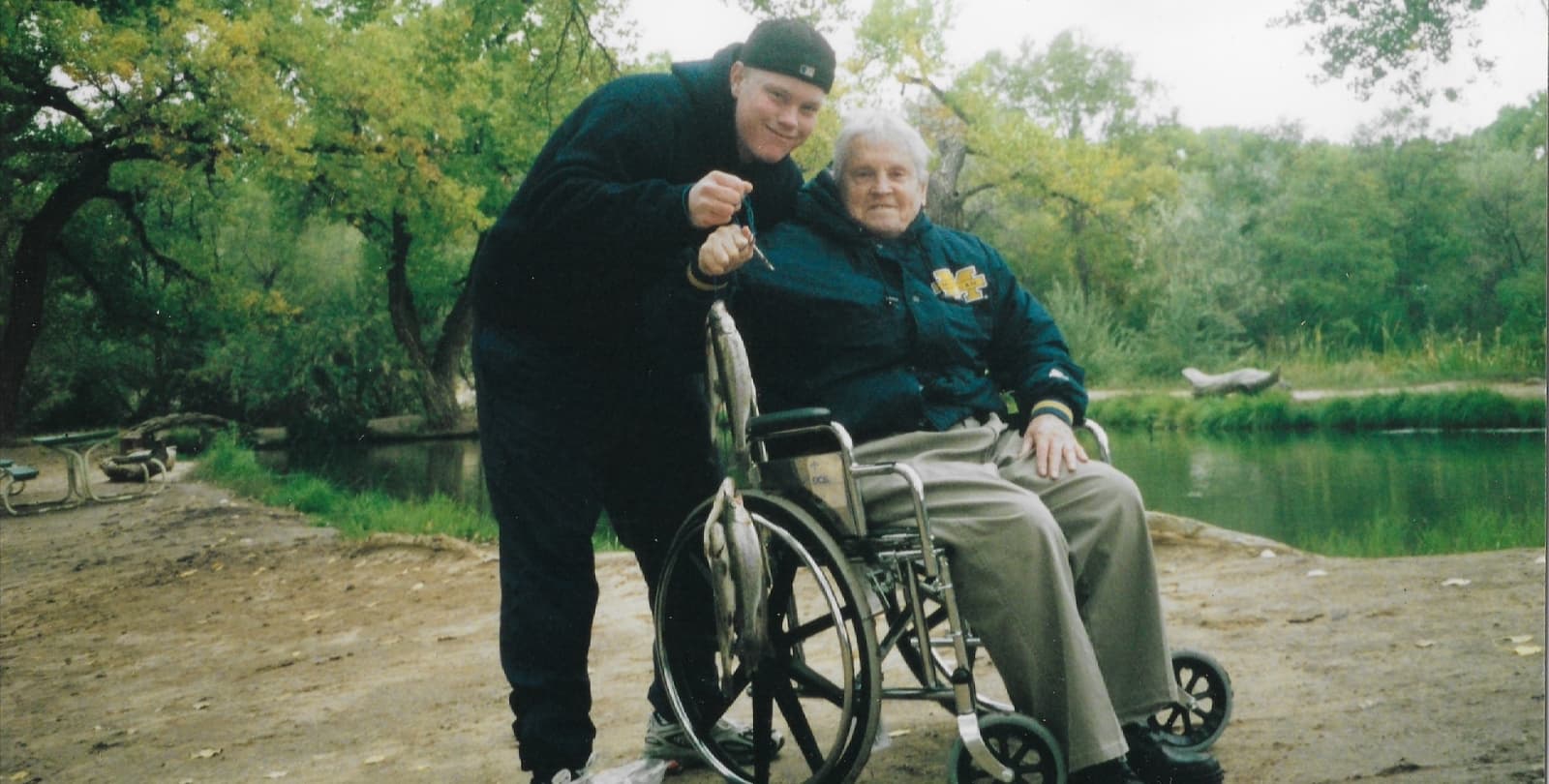
Photo provided by the author.
Thump. Thump. The splashing of water broke the gentle silence around us.
My grandfather put his hand on my arm. “Stop throwing rocks,” he said. “You’ll scare the fish.”
I heeded his warning. Standing knee-high in the river, I watched him wade ahead to sneak up on unsuspecting trout.
This moment in time stands out as one of my earliest childhood memories. I had just turned four years old and my grandfather, a salty but humorous veteran of World War II, wanted nothing more than to teach his grandson how to fish.
But I remember this day for another reason: It was my first time truly experiencing God through God’s creation.
As I watched my grandfather gracefully pick through the stream, it looked like he was part of the environment, and the environment was part of him. It made sense to him. As he navigated its flow, he was in harmony with the river and creation all around him.
It occurred to me then—and on many more fishing trips over the years—that to my grandfather, going to the river was about far more than fishing.
The River as a Place of Healing
How Rivers Helped My Grandfather
My grandfather, Staff Sergeant William Black, stormed the beach at Normandy, survived the Battle of the Bulge, and liberated concentration camps as he marched across Europe. In the process, he earned a Bronze Star, Silver Star, and Purple Heart.
He came back from the war decorated with medals, but he also brought home physical and emotional battle scars—the kind that come from encountering hell on earth.
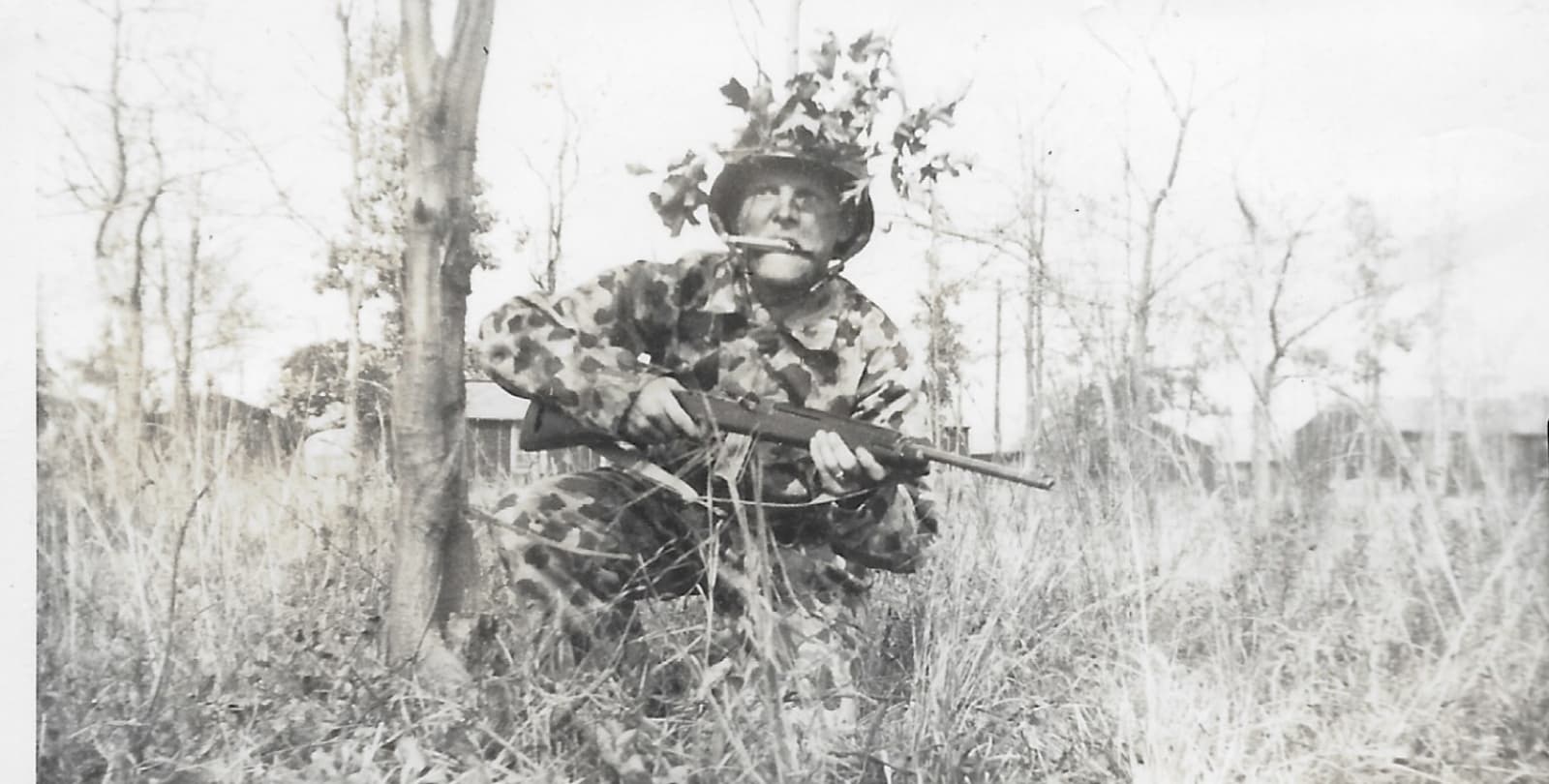
Staff Sergeant William Black, who stormed the beach at Normandy and helped liberate concentration camps. Photo provided by the author.
Listening to the running waters and the silence of the forest became a way of healing for my grandfather. The river acted as a place of peace where he could reconnect with himself and the world around him.
Looking back, the memory of my grandfather on the river that day must have been my first inkling of God’s grace at work through our nation’s healing waters and public lands.
Passing It On: A Veterans’ Fly-Fishing Initiative
As a minister, a fly-fishing guide, and the grandson of a veteran, one of my great joys has been to form a veterans’ fly-fishing initiative.
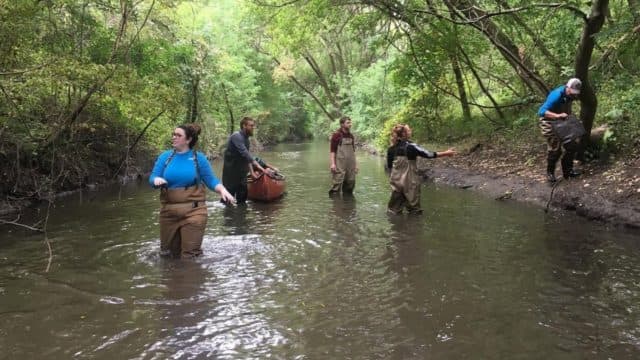
In leading dozens of fishing and camping trips across the American Southwest over the past two decades, I have witnessed firsthand how these lands continue to be a source of healing, prayer, and comfort to those returning home from military service.
Though I love to act as a guide, I’m not the only one who teaches on these expeditions. The river itself reminds the veterans of the importance of slowing down, being patient, and observing. As we navigate a river’s rocky, uneven bed, we’re reminded that, just like in life, there is always more going on below the surface.
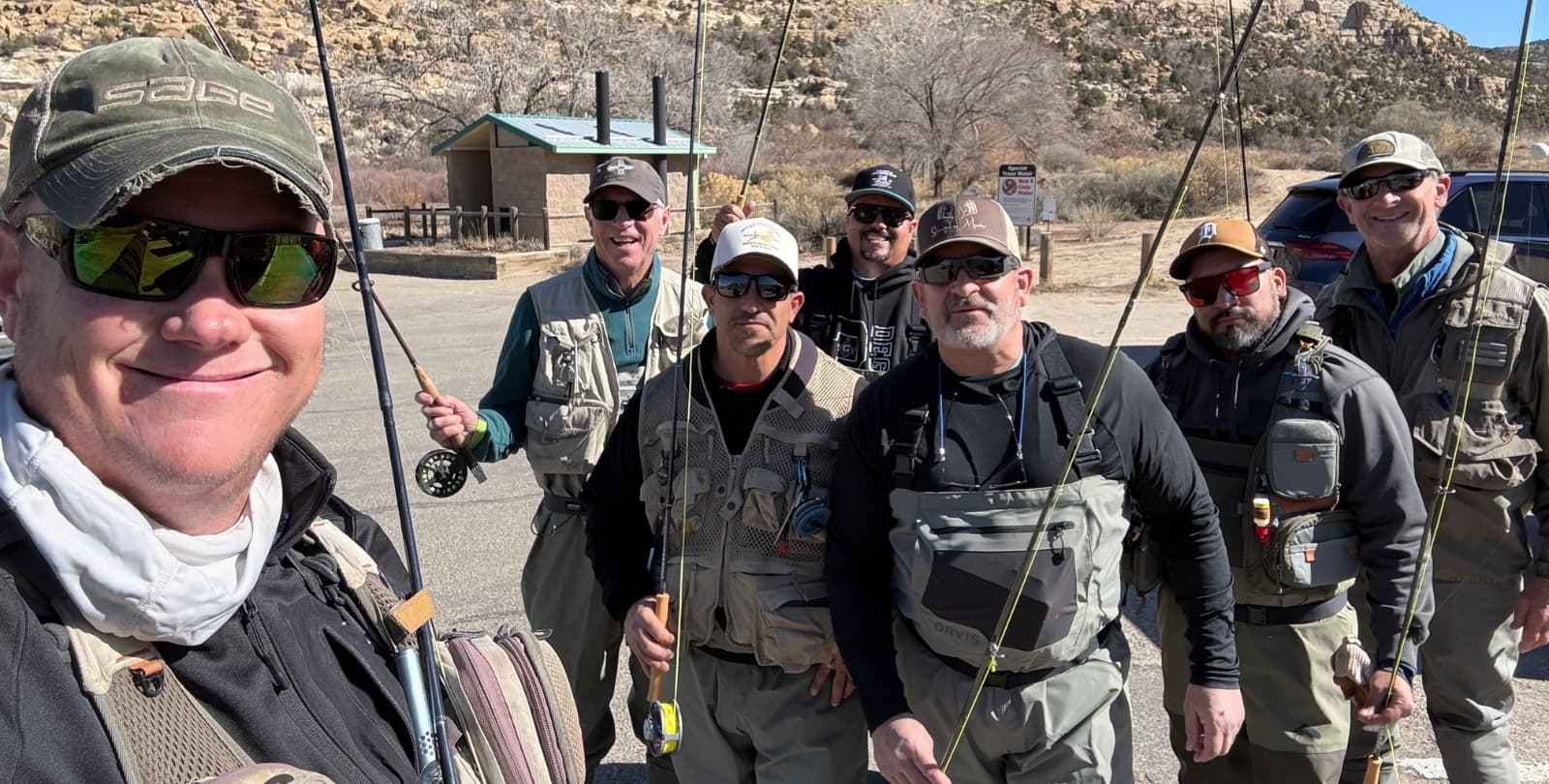
Andrew Black carries on the legacy of his grandfather by helping other veterans connect with our nation’s healing waters. Photo provided by the author.
Jesus knew these lessons. His first four disciples—Peter, Andrew, James, and John—were all fishermen. Jesus promised them that he would “send them out to fish for people” (Matthew 4:19). He knew that to be successful in God’s broader mission and ministry, he needed disciples who could read what was happening on and below life’s surface.
Over the years, I have been blessed to watch the transformation of many veterans as they internalize the river’s lessons and experience authentic community together.
Climate Change Threatens Our Healing Waters
But climate change is harming our ability to learn these lessons first-hand.
As record heat and drought scorch the American West, many of our nation’s most iconic rivers are drying up. These conditions have put major stress on western trout, which generally require colder water and higher oxygen levels to survive.
Additionally, with the low and clear water in our rivers, we have also experienced massive algal blooms that further imperil our waterways and the fish that call them home.
These climate change-related conditions have led to major fish die-offs across the West and made it increasingly difficult to get veterans out onto these healing waters.
Three Ways We Can Respond
We all have a part to play in living out our calling to care for God’s creation. Here are three ways we each can take steps to address climate change:
Start a Conversation About What You Love
I recently worked with veterans Gil Morales and Rueben Roybal to film a short feature focused on protecting America’s national monuments and iconic landscapes.
Many of these areas, including the Río Grande del Norte National Monument in northern New Mexico, are critical for healthy rivers and watersheds. Unfortunately, they are under constant threat of development and continued climate change distress.
The challenge is that while two-thirds of New Mexicans are concerned about climate change, just 40% of us are talking about it with our family and friends. My hope is that by telling stories that connect climate change to the natural spaces we value, we can spur more dialogue.
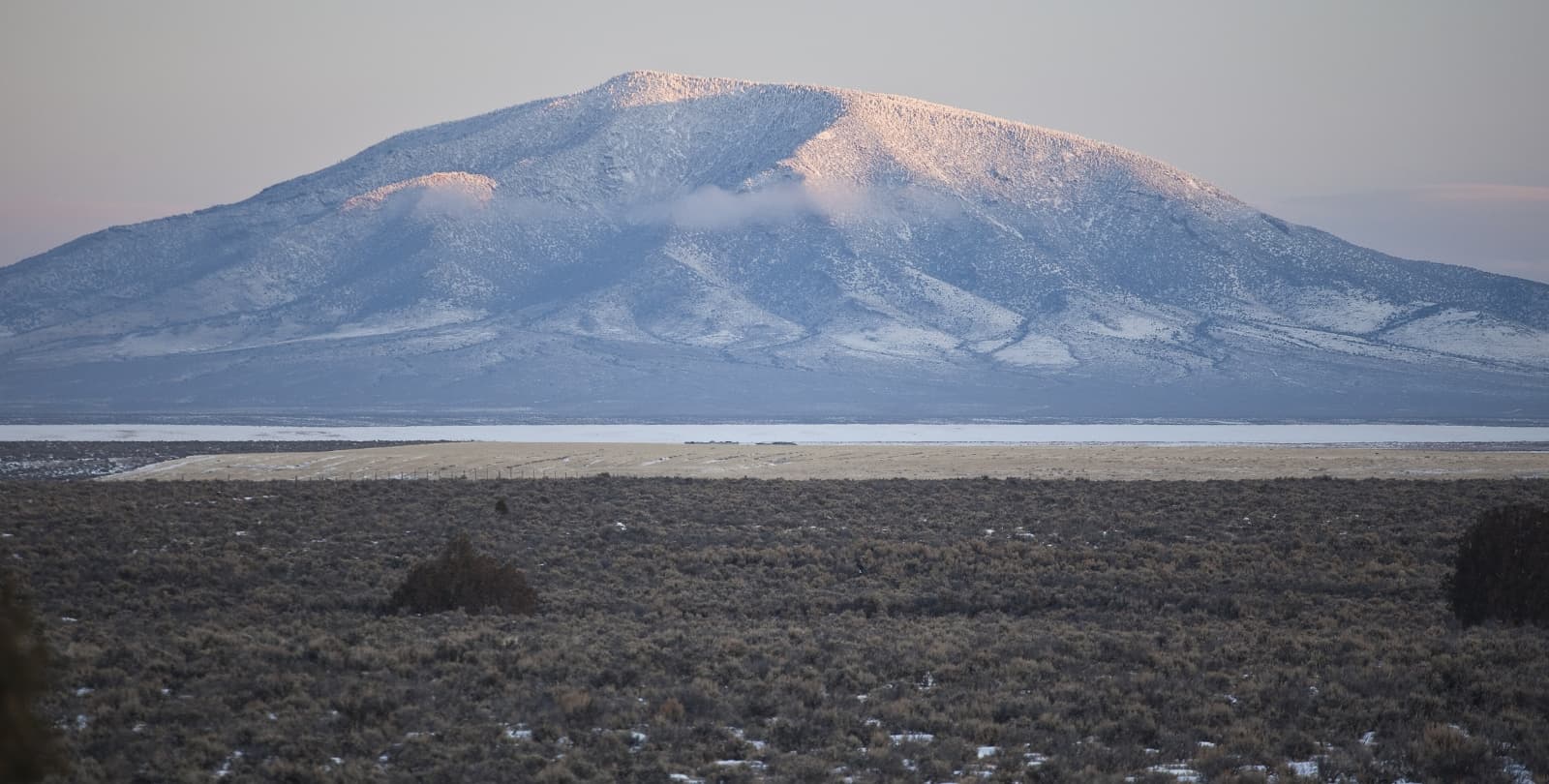
Photo from Río Grande del Norte National Monument. Areas of the river within the monument have experienced harmful algal blooms in recent years. Photo: Bureau of Land Management, Public domain, via Wikimedia Commons
Inspire Your Church to Care for Creation
Environmentalist and author Bill McKibben says that when it comes to climate change, the best thing an individual can do “is be a little less of an individual.”
That’s one reason I founded EarthKeepers 360. Together, we equip faith and tribal leaders across the country to address climate change and other major environmental issues.
We know from our work with faith leaders that climate change is dramatically impacting our mission and ministries. In response, EarthKeepers 360 recently launched a “Climate Smart Congregations” initiative.
This program aims to help congregations across the country care for creation by:
- Assisting with church energy audits and building reforms
- Supporting churches as they establish green practices, like recycling programs
- Considering how ministries can make climate-smart decisions in their missions, outreach, and evangelism
Through this work, we’re helping congregations see that caring for creation can help them draw closer to God, one another, and all of creation.
Speak Up for God’s Creation
As the founder of EarthKeepers 360, I was recently blessed to lead a trip of Christian leaders, including Jim Stump of BioLogos, to the Arctic National Wildlife Refuge.
This expedition focused not just on observing the beauty of the Refuge, but also the threats it faces from development, and how those threats will impact the world’s climate.
For instance, did you know that the Arctic’s permafrost holds more carbon than the entirety of the Earth’s atmosphere? If fossil fuel development speeds the permafrost’s thaw and unleashes its carbon vault, it will have major consequences not just for Alaska, but for our entire planet.
Closer to home, I’ve recently been working with a diverse array of faith and tribal leaders across New Mexico on a letter calling for the protection of the greater Chaco Canyon landscape from further oil and gas development.
Becoming Communities of Creation
Becoming Communities of Creation is a one-stop guide for ministry and lay leaders looking to bring their community together in the act of caring for creation.
Faith Gives Us Courage to Act
While the environmental challenges we face are daunting, my persistence is fueled by my faith in a God who can make a way out of no way.
God calls us to remember that light is greater than darkness (John 1:5), hope is greater than despair (Psalm 42:11), and love is greater than hate (1 Corinthians 13:8). In caring for God’s good creation, I take solace knowing that God so loved this world that he sent his Son into it (John 3:16-17).
I also stand firm in the recognition that I am surrounded by a great cloud of witnesses (Hebrews 12:1)—witnesses like my grandfather, whose shoulders I stand on to bring forth hope, freedom, love, and transformation to an often dark and difficult world.
The realities of the climate crisis can feel overwhelming. But in these moments of fear, we can find courage in what 2 Timothy 1:7 tells us: “God has not given us a spirit of fear, but of power and of love and of a sound mind.”
About the author
Andrew Black
Related resources
If you enjoyed this article, we recommend you check out the following resources:

Downloads

Language of God

Downloads