A Renewed Vision for BioLogos
We’re working to bring about a world in which faith and science together draw us deeper into love of God and all God has created. Here’s how.
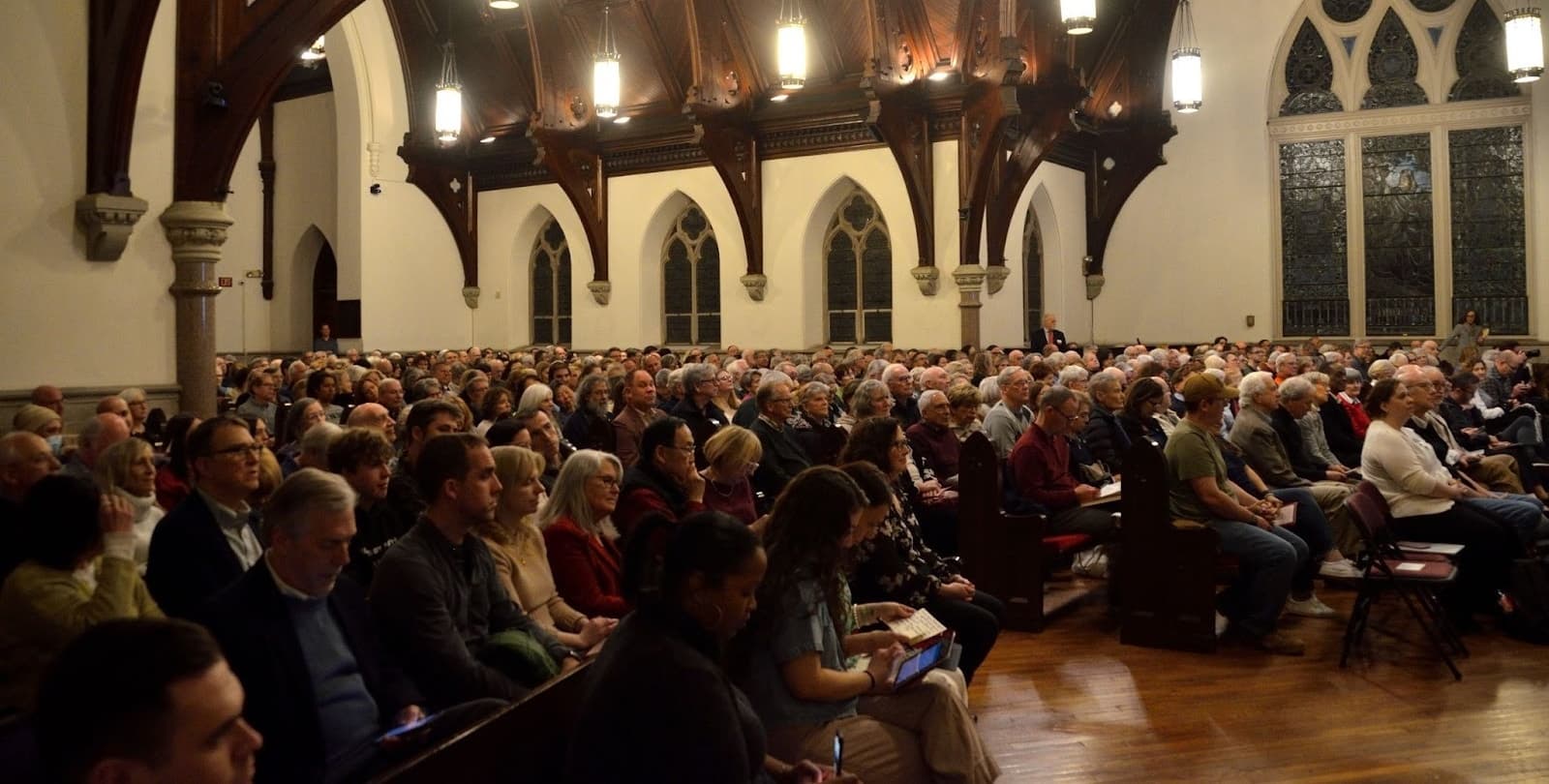
It’s hard to believe that it’s already been a year since I began as President of BioLogos.
I’m grateful to have met so many of you in that time. The more I connect with you all, the more I am struck by the ways God is using our work to encourage and transform.
But this past year has also been a challenging one. We’ve seen distrust in science rise, including among believers. We’ve heard public rhetoric that reveals gaps in our faith formation. Together, these trends are making it harder for people to draw closer to God.
But it doesn’t have to be this way.
Those of us who have come to love God more deeply by looking at the wonders of creation through a microscope or a telescope know that faith and science together help us feel whole.
That conviction has guided us as we’ve sharpened our mission, vision, and strategic priorities over the past six months.
This work is the result of many thoughtful conversations, not just among the BioLogos team but also with many of you. It’s anchored in one core aim: helping people discover that together, faith and science can transform our lives, bring us joy, and draw us closer to God.
Charting the Path Forward
Our New Vision
At BioLogos, we work to bring about a world in which faith and science together draw us deeper into love of God and all God has created.
As God uses us to bring this vision to life, we see individuals drawing closer to God, communities living out their faith together, and the church responding confidently to today’s biggest questions.
Our New Mission
Our mission flows from that vision: We empower people to explore, embody, and delight in the harmony between faith and science.
We do this by helping people think deeply, live faithfully, and experience the joy of bringing God’s Word and God’s World together.
What This Looks Like in Practice
As we contemplated how to focus our work, one big question guided us: how can our unique strength—bringing harmony to faith and science—have the greatest impact?
Our answer to this question takes three forms:
Supporting Young People
If we want our work to have the greatest impact, we need to start with young people.
Faith is often formed or fractured early in life. In fact, the Pew Research Center found that for every ten people who were raised in a religion but have since left, just under nine did so before the age of 30.
I started college in astrophysics, but within months I dropped out. It felt like I had to choose between my relationship with Christ and my passion for space.
Young people long for a life that feels coherent. If Christian faith seems to clash with what they’ve learned about the world through science, they move it to the margins of their life.
Our goal, then, is to ensure that wherever young people turn with questions about faith and science, they find support that demonstrates their harmony.
Many young people go to the people they trust. They ask questions of their parents, pastors, teachers, and peers. We’re committed to building resources for these groups so that when big questions do arise, they feel equipped to respond.
One example of this: we recently launched Creators for Creation, a program through which we’re equipping social media influencers to talk about creation care online. By activating our cohort of 25 creators, thousands of young people who follow them will encounter a vision of faith that includes caring for God’s world.
Forming Faith
Often, conversations about faith and science focus on engaging the mind. They set out to answer a question, and they do so with arguments, evidence, and citations.
That work is important, but it’s not enough on its own. A faith built on intellectual understanding alone remains fragile, especially when life becomes complex or challenging. What people need is a faith that is deeply rooted, resilient, and alive.
That kind of formation means engaging the whole person. People draw closer to God when their mind is exploring, their heart is soaring with praise, and their hands are working to glorify the Lord.
I’m grateful to be part of this community where exploring God’s world leads to worship and closeness to the Author of it all—a place where science is not just a matter of the mind, but the heart.
That’s why we’ve centered our work on three strategies: exploration, embodiment, and delight.
Exploration engages the mind. Through articles, podcasts, and curriculum, we help people explore the biggest questions at the intersection of faith and science.
Embodiment activates the hands. We equip people to live out faith-science harmony in their communities with resources like Communities of Creation, a guide releasing soon which will help people start creation care teams in their churches.
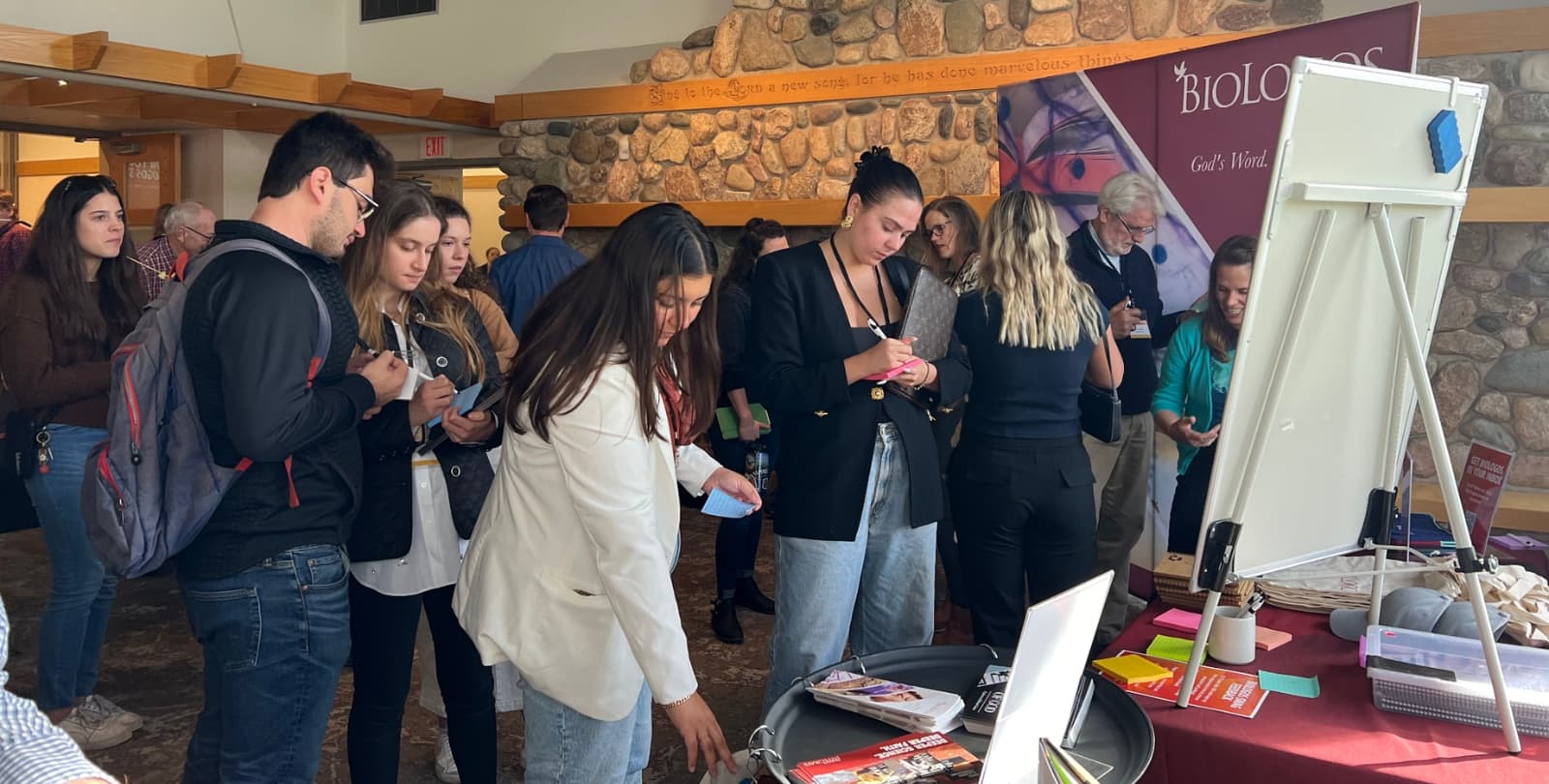
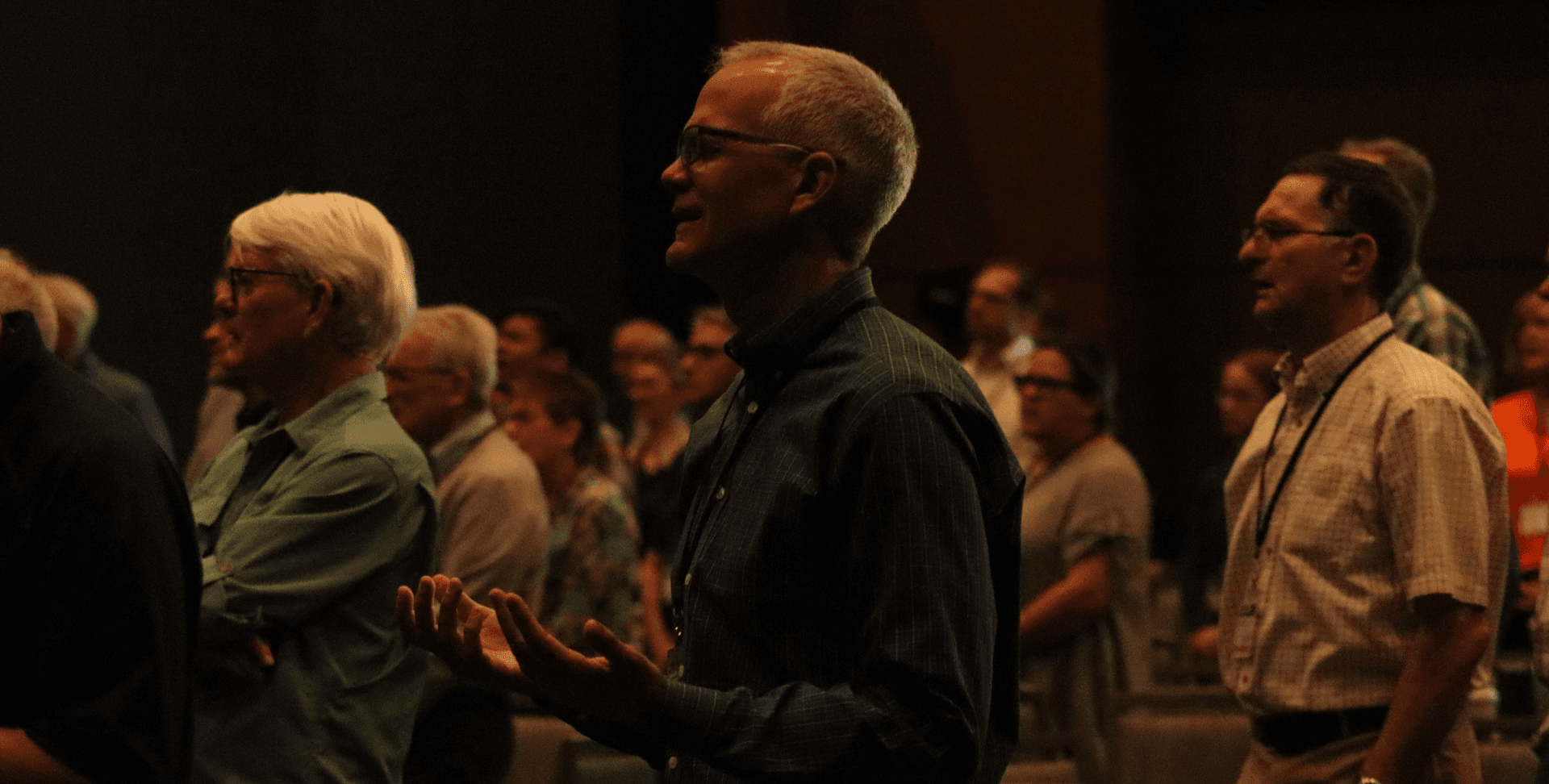
Delight awakens the heart. We believe that when people feel a rush of awe from our podcasts or hear from faithful scientists at our events, they come to see scientific discovery as an invitation to delight in God.
By activating the head, the hands, and the heart, we can help people form a faith that is whole and lived.
Multiplying Impact through Partnerships
On our own, we’re just one voice in a sea of information. That’s why we’re placing an emphasis on building meaningful partnerships.
As mentioned earlier, when young people encounter questions about faith and science, they often turn to their parents, pastors, and teachers for support. And those leaders, in turn, look for guidance from networks that can help them respond wisely.
That’s where we see a unique opportunity. By partnering with the networks people already trust, we can support conversations happening in churches, schools, and homes around the world.
Beyond its effectiveness, this mode of work is grounded in our faith.
As Christians, our calling is not to build our own prominence, but to serve. We consider it a success when someone draws closer to God because of a resource we created, whether they find it directly from us or through a partner.
This approach frees us to partner generously, to uplift the work of others, and to contribute wherever and however we can make the greatest impact.
And when we do, we also have the opportunity to live out gracious dialogue. By working alongside like-minded organizations, we can model conversations marked by humility, curiosity, and a shared desire to speak truth in love.
Reaffirming Our Core Values
While we have sharpened our strategic plan, the core values that guide us remain unchanged.
We affirm our commitment to Christ-centered faith that embraces the historical Christian faith, upholding the authority and inspiration of the Bible.
We remain grounded in rigorous science, affirming the established findings of modern science and celebrating the wonders of God’s creation.
And we uplift the value of gracious dialogue as we strive for humble and thoughtful engagement with those who hold other views and to speak truth in love.
These values have served as BioLogos’ foundation, and they will continue to lead us into the future.
Moving Forward Together
As I reflect on the year ahead, I’m reminded of Ecclesiastes 4:9-10: “Two are better than one, because they have a good return for their labor; If either of them falls down, one can help the other up.”
You all make this work possible. Your engagement lifts us, your support heartens us, and your feedback helps us grow.
If you’re inspired by our refreshed mission and vision, we ask that you share our work with those in your life who are asking big questions or are looking to deepen their faith. We’ve put this introductory page together to make it easy to do so.
Together, we can help people discover that faith and science belong together in drawing us closer to God.
About the author
