In Milwaukee, Creation Care Brings a Community Together
Just south of Eastbrook Church runs a short, polluted stretch of Lincoln Creek. Caring for it has brought the community closer to creation and one another.
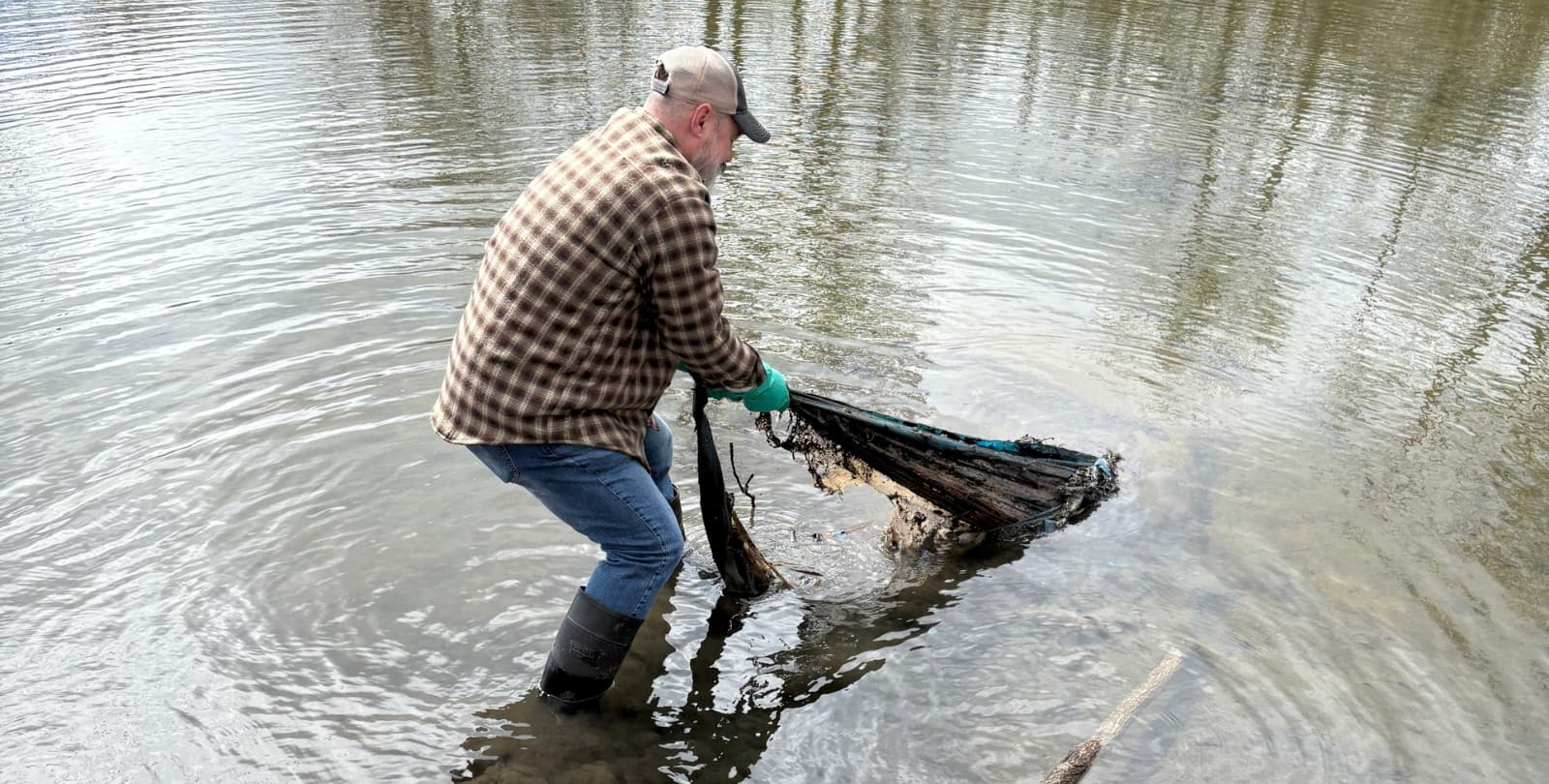
Photo provided by the author.
I was looking at something I couldn’t quite describe.
Had it been a beaver? A muskrat? Some other undiscovered urban rodent? In any case, it was long dead as it floated in the shallows of the river just out the back door of my church.
I stood there considering this poor animal. I was saddened, but I wasn’t surprised to see it. Unfortunately, it wasn’t the first time—nor the last—that I’d found wildlife remains in this particular body of water.
Learning to Care for Lincoln Creek
Seeing the Creek Differently
The river—a meandering waterway called Lincoln Creek—receives more than its fair share of abuse.
Garbage piles up on its banks, making it difficult for any kind of wildlife to thrive. The bridges that span it act as major choke points for refuse, especially after a big rain. Residential areas and businesses upstream dump all manner of materials into it.
This poor little river takes a beating year after year. And yet, there is still life trying its best to grow on its inhospitable banks.
That day, seeing one of those lives extinguished sparked something in me. Standing there, a feeling rose up inside of me: compassion.
Feeling compassion for a piece of land didn’t initially compute in my brain, but it certainly made sense in my heart. I felt saddened by the state of this stretch of water, by the condition of the shores and the creek bed, and by the lack of care that this beautiful area had received.
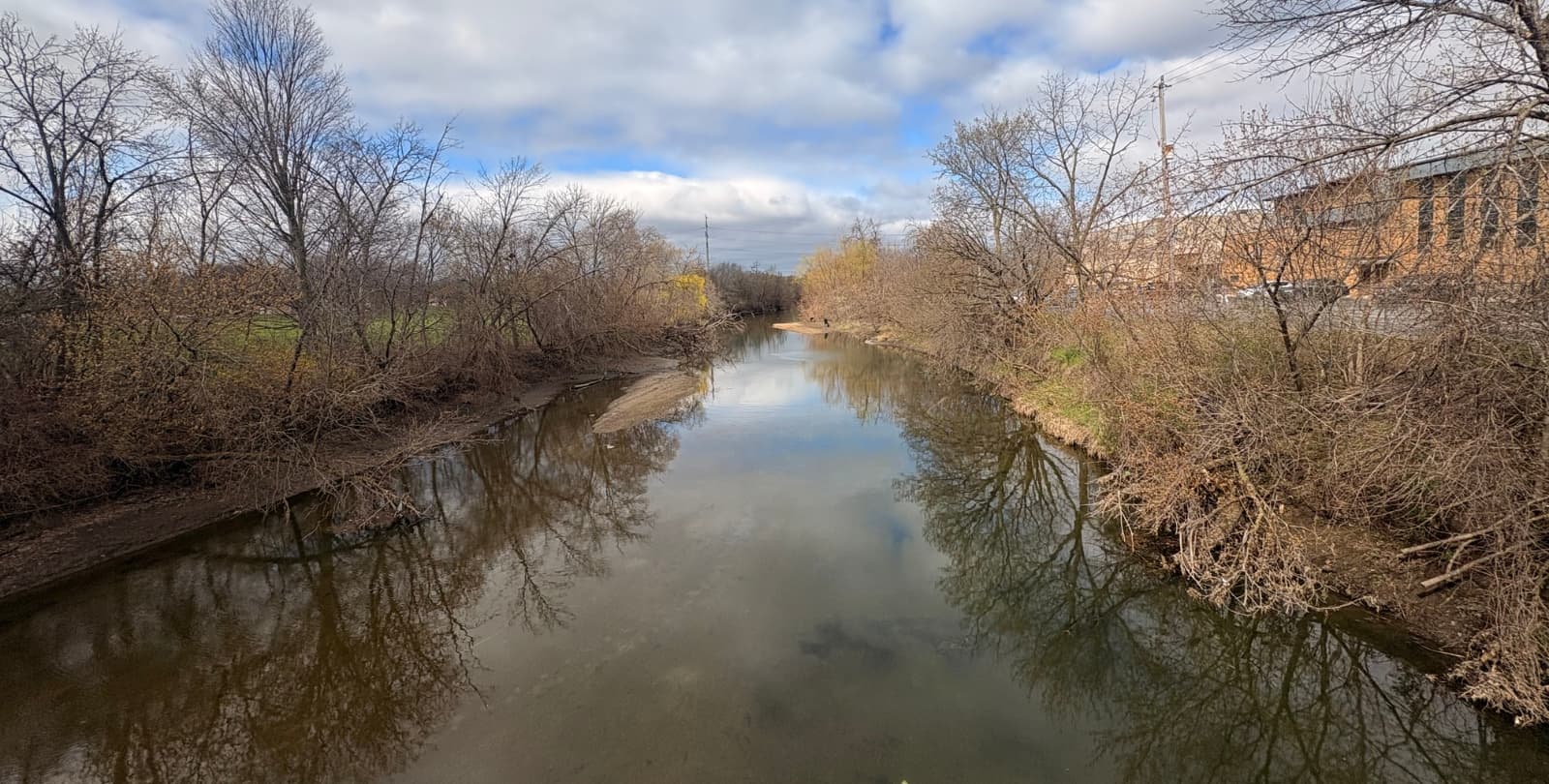
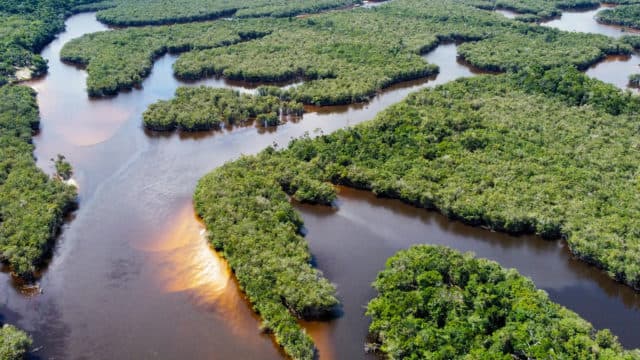
The stretch of Lincoln Creek bordered by Eastbrook Church. Photo provided by the author.
Caring for the Place Where God Put Me
That feeling began a journey for me—one that taught me what it means to care for creation right where God had placed me.
That place is Eastbrook Church in Milwaukee, Wisconsin.
Lincoln Creek winds its way through nine miles of the city’s north side before emptying into the Milwaukee River. Eastbrook sits just above the creek, with the south side of our campus looking over its final bend before it meets the larger river.
We’re deeply blessed to be so close to this waterway. Our church is decidedly in the city, surrounded on all sides by city blocks and miles of asphalt. To have a bit of earth that gets to stay wild directly adjacent to our property is amazing.
I felt a real desire to care for this gift. Being in such close proximity to it—both its beauty and its suffering—made it hard to see this as anyone else’s job but ours.
Three Lessons: Caring for Creation in Community
What I felt that day by the river fueled me toward creation care. But I quickly learned that while passion can motivate one person to make a difference, its biggest impact comes when it draws others into the work.
Here are three things I learned when I encouraged my community to care for Lincoln Creek:
Don’t Let a Small Start Discourage You
I didn’t need to look far to see that caring for creation is a community act.
Milwaukee Riverkeeper, a local nonprofit group, has been cleaning up the Milwaukee River Basin for more than three decades. But they don’t do it alone.
Each Earth Day, they gather volunteers at dozens of sites around Milwaukee for a day spent restoring and protecting our city’s waterways. Eastbrook has acted as a site for the last several years, spearheading efforts for the portion of Lincoln Creek near our campus.
Not long after I began my creation care journey, I was asked to organize and lead our cleanup.
I was pumped. As Earth Day approached, I felt like I was doing everything right. I made announcements to the congregation, spread the word to my community, and prepared snacks for the volunteers. I even bought a bunch of fun prizes to award people based on the weird items they may pull out of the river. It was going to be an epic day of caring for God’s creation.
As I hopped out of my car that morning, I imagined how in just a few minutes, the parking lot would be full of people chomping at the bit to clean our little section of river.
We were meant to start at 9:00 a.m. By 9:15, I was willing to admit that the sea of volunteers I’d imagined wasn’t going to materialize. Ultimately, we had a whopping five volunteers show up; only two were from Eastbrook.
A Small Group Can Make a Big Difference
I would be lying if I said I wasn’t saddened by the lack of response. But despite my disappointment, we went forth to clean that river as best we could.
We ended up having an amazing time. In just three hours, we managed to pull 75 contractor bags’ worth of junk out of Lincoln Creek.
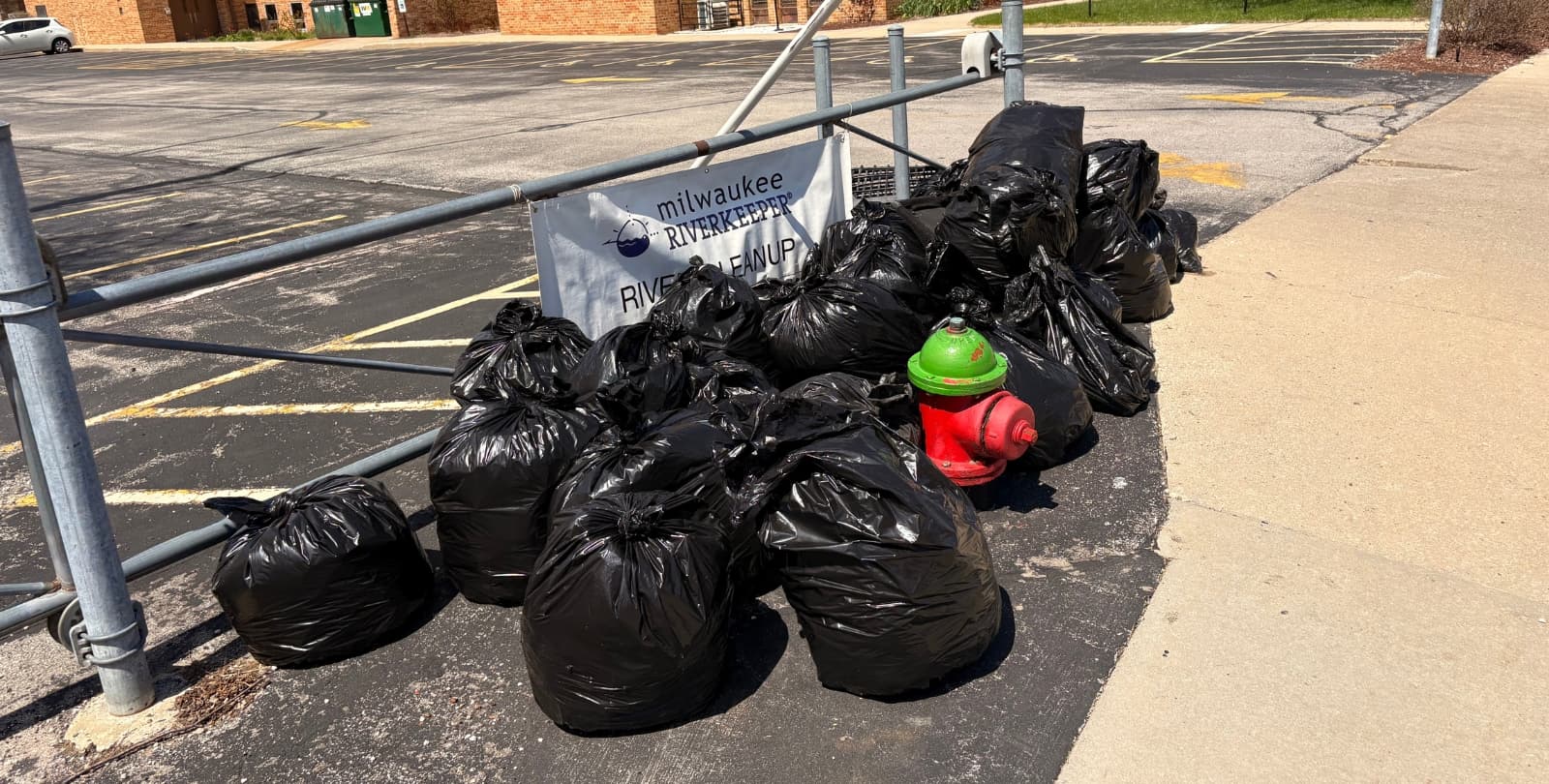
Photo provided by the author.
When the morning began, I wasn’t sure if our small group would be able to make any difference at all. But looking at the dozens of bags stuffed with trash, I stood amazed at what God could accomplish in such little time with a few willing people.
My love and compassion for this odd little river grew once again that day.
Give Community Time to Grow
God does something to our hearts when we respond to his leading.
From that initial tinge of compassion for a polluted river, he guided me to lead the charge to clean it up. When I felt disheartened by our small turnout, he showed me the big impact a small but motivated group could make.
God has also been working in the hearts of Eastbrook’s congregation.
At this year’s cleanup, we went from a handful of volunteers to a group so large that we were forced to find new spaces that needed caring and cleaning.
And our care for creation isn’t restricted to one day of river cleanup. This year, our congregation spent the Sunday before Earth Day praying for creation. Together, we prayed for healing and against further damage.
Becoming Communities of Creation
Becoming Communities of Creation is a one-stop guide for ministry and lay leaders looking to bring their community together in the act of caring for creation.
Creation Care Can Transform Communities
I marvel at how caring for creation has transformed our community.
I don’t just mean in terms of Lincoln Creek’s health, or in the number of bags of trash we’ve pulled out of it.
What truly amazes me is how this faithful work has brought people together. Over the past year, I’ve seen folks who didn’t previously know each other caring for one another in deep and meaningful ways.
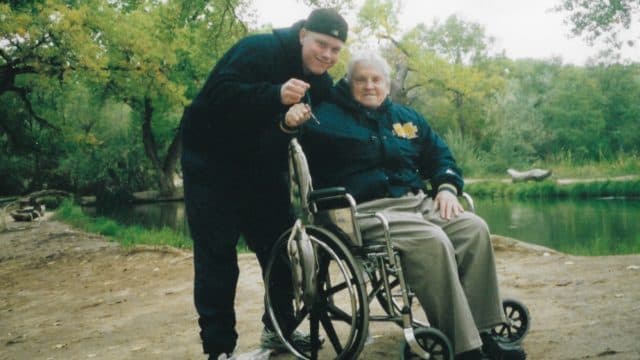
One story sums this up. Recently, one of my most committed volunteers was contacted by another person involved in creation care. The person told my volunteer that their faith was faltering.
This pair—one young and searching, the other wise and loving—had originally connected because of their deep love for the natural world. Now, they sat together for hours, discussing what it meant to follow God, to love God, and to love creation. They were unlikely friends, but they had been connected by something bigger than themselves.
It is a beautiful reminder of how God uses his creation to bring people together.
About the author

Nic Fridenmaker
Related resources
If you enjoyed this article, we recommend you check out the following resources:

Downloads
Common Question

Downloads
Language of God